

To rent a transformer, you need its kVA rating, the voltage ratio (for example 11 kV to 433 V), the type (oil-filled or dry) and a clear split of installation, cabling, testing and statutory approval. The transformer itself is often the simplest part; the connection and approvals take the planning.
- Specify kVA, primary and secondary voltage, and oil or dry type.
- Agree who does installation, cable termination, earthing, testing and approvals.
- Allow time for inspection and approval where your state's rules require it.
What to specify
- kVA rating. Add up the connected and expected load with your electrical engineer and leave headroom for growth.
- Voltage ratio. The incoming supply voltage (primary) and the voltage your site uses (secondary).
- Type. Oil-filled transformers are common outdoors. Dry-type transformers suit indoor installations and places where oil is a fire concern.
- Protection and switchgear. Whether the supplier provides the incoming breaker or ring main unit and the outgoing panel, or only the transformer.
Who arranges what
| Item | Who usually arranges it |
|---|---|
| Transformer rent | Supplier |
| Installation and removal | Varies: check the quote |
| Cable termination and earthing | Often customer's scope or a separate charge |
| Oil top-up and filtration | Usually supplier, for oil-filled units |
| Testing at site | Varies: check the quote |
| Electrical inspector / statutory approval | Usually customer's scope |
| Plinth or foundation | Usually customer's scope |
"Usually" means what quotes commonly say; each supplier states it in their quote on Clexen, so you can compare line by line.
Plan the timeline
Statutory inspection and approval can take longer than delivery. Start the paperwork early, and confirm with your electrical consultant what your state requires for the voltage and rating you are installing.
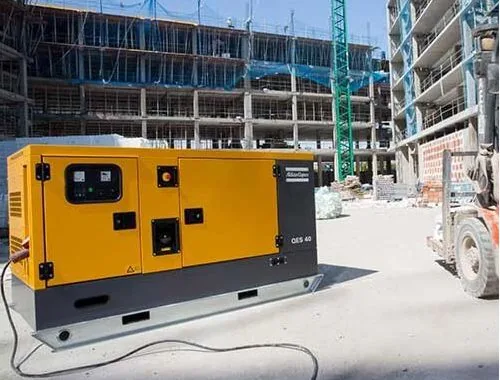
If you need power before the grid connection is ready, a diesel generator can cover the gap. Our DG sizing guide explains how to size one.
When you know roughly what you need, request quotes on Clexen. Describe the load and voltage and suppliers near your site will propose the right size; you can also browse what is listed.
Frequently asked questions
What size transformer do I need?
Your electrical engineer should size it from the connected and expected load, with headroom. Rental suppliers can propose a rating once you share the load and voltages.
Oil-filled or dry-type transformer?
Oil-filled units are common outdoors. Dry-type units suit indoor locations and sites where oil is a fire risk.
Who gets the electrical inspector approval?
Usually the customer, through their electrical contractor or consultant. Check your state's requirements for the voltage and rating.